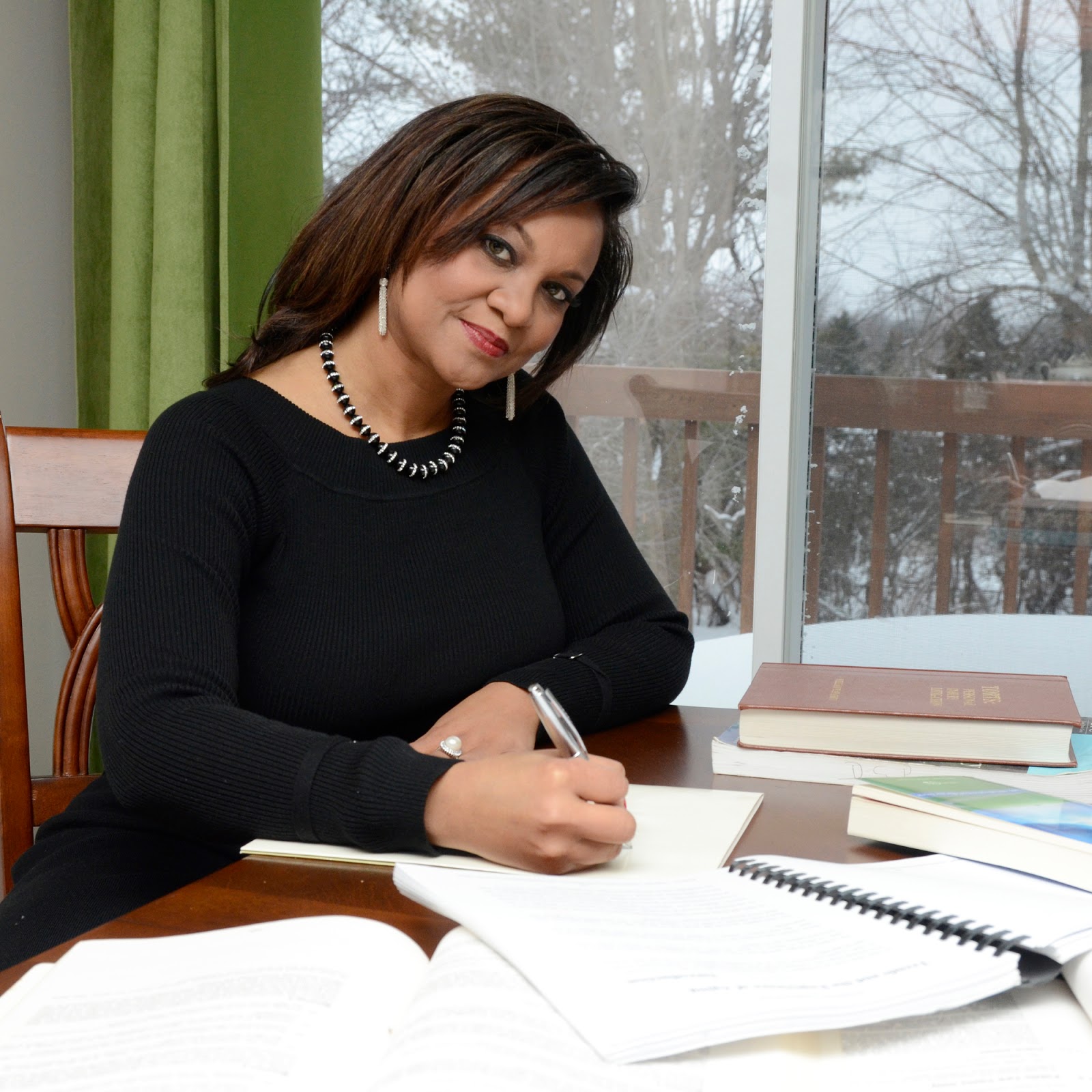
 |
| Canadian Immigration lawyer - Deidre S. Powell |
Dear Ms Powell,
I'm thinking of using a representative with my application for permanent residence and I'm not sure how to choose someone. I hear of a lot of scamming. how do I know who is legitimate? Can I use my lawyer who helped me when I purchased my home? Will that guarantee that my application will be successful?
J.C.
Dear J.C,
If you are looking to use a legal representative to assist you with your immigration application to Canada, you must use an approved individual or firm. Immigration Refugee and Citizenship Canada (IRCC) will not accept applications from unauthorised individuals. Any person who represents or gives advice for a fee concerning immigration applications is breaking the law unless they are authorised or have an agreement with the government of Canada. Therefore, it is your duty to investigate whether or not someone is authorised to act on your behalf.
Representatives who charge a fee for their services need to be recognised by the government of Canada. IRCC only recognises certified immigration consultants, lawyers, paralegals, and notaries (Quebec) who are in good standing with their regulatory organisation. You would need to find out from your real estate lawyer if he is so authorised.
There are several ways to protect you from fraud. The simplest way to choose and immigration lawyer is to check with the governing body for lawyers to ensure that the individual is an authorised immigration lawyer. The Federation of Law Societies of Canada will have a list of all the law societies for each province. For example, for a list of lawyers in good standing in Ontario, contact the Law Society of Ontario at www.lsuc.on.ca. for Nova Scotia, contact www.nsbs.org. For a list of lawyers in Jamaica, contact the General Legal Council at www.www.generallegalcouncil.org. Be sure to check to ensure that your local lawyer is also a member of a law society in Canada, as that is a prerequisite for dealing with the Canadian government on immigration matters.
READ CAREFULLY
It is customary for a representative to discuss their retainer fee and ask you to sign a retainer agreement or contract. Read the contract carefully, and ensure that you understand the terms and conditions before you sign it. If you do not understand the terms, do not be afraid to ask for explanations. Once you sign the agreement, it will be an indication that you understand the terms and accept them. A legitimate representative will also ask you to sign a 'use of representative form'.
Most lawyers will not ask you to leave your original documents such as your passport, birth certificate, TRN card, or driver's licence with them. It is customary for lawyers to make 'certified true copies of originals' and return originals to you.
I strongly recommend that you use a lawyer or immigration consultant to help you with your application, as they are trained to deal with immigration cases and can help you to make the process less stressful. They usually know the 'ins' and 'outs' of the ever-changing immigration system and can be particularly helpful when navigating the immigration process. They can help to ensure that the correct forms, documents, and procedures are followed. When an application is done properly, you avoid delay or the risk of your application being refused for failure to submit the correct documents within the required time period.
Additionally, when dealing with application for permanent residence, appeals, criminal inadmissibility concerns, or complex immigration cases, it is recommended that you seek legal advice and representation.
You should also note that immigration representatives have no special connections with the Canadian government, so be careful if an individual indicates that they can guarantee you a job placement or guarantee that your application will be successful. Only the government of Canada has the authority to grant or deny a visa application.
Want to live, work or study in Canada? Find out more, complete our free eligibility form: http://tinyurl.com/Dsplaw
Deidre S. Powell is a lawyer, mediator, and notary public who is a member of the Jamaican and Ontario, Canada, bars, with main office located in Ottawa, Ontario. Her areas of practice are in immigration, real estate, family, mediation, and administration of estates. Email: info@deidrepowell.com. Subject line: Immigration. Find her on facebook.com/jamaicanlawyer Call 613.695.8777.
Comments
Post a Comment